Review: My 1st Easter Bunny in Egg for Spring Projects
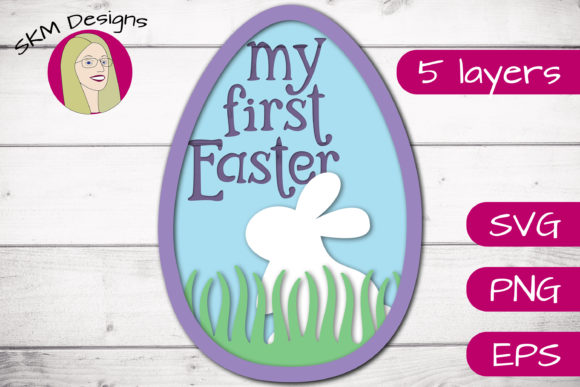
As a designer who spends more time staring at stitch simulations than actual sunlight, I approach every new machine embroidery design with a mix of curiosity and skepticism. The market is flooded with seasonal motifs, but few manage to balance cuteness with technical viability. When I first pulled up the file for My 1st Easter Bunny in Egg, my immediate reaction was one of pleasant surprise regarding its layout. This isn't just a clipart image converted into stitches; it feels like a thoughtfully constructed asset meant for real-world application. The concept—a bunny nestled in grass within an egg shape—is a classic trope, yet the execution here leans heavily into the "Shapes" category with a clean, defined silhouette that promises clarity once stitched out.
First Impressions and Visual Personality
The visual personality of My 1st Easter Bunny in Egg is undeniably soft and inviting. It captures that specific "baby's first" mood without feeling overly juvenile or cluttered. In the digital preview, the layering suggests a depth that translates well to physical media. For those of us working with 3D SVG concepts or looking to create dimensional effects through stitching, this design offers a solid foundation. The lines are distinct, which is crucial when you are dealing with small details like the bunny's ears or the blades of grass. A common pitfall in holiday designs is overcrowding; too many elements crammed into a small hoop can result in a muddy finished product. Fortunately, this design breathes. The negative space around the egg shape allows the motif to stand out, making it an excellent candidate for items where the design needs to be the focal point rather than part of a busy all-over print.
Real-World Application: The Baby Bodysuit Scenario
To truly test the worth of an embroidery file, I mentally place it on a specific project. Let's say I am preparing a custom order for a boutique client who wants personalized gifts for a spring baby shower. The request is for a set of three bodysuits. This is where My 1st Easter Bunny in Egg shines. The egg shape provides a natural boundary that looks fantastic centered on the chest of a tiny garment. Because the design is contained, it avoids the issue of running off the seams, a frequent headache with larger, sprawling patterns.
When imagining this as baby embroidery, the stitch clarity becomes paramount. Babies move, and their clothes undergo rigorous washing cycles. The design's structure suggests it would hold up well if paired with the right stabilizer. I would likely recommend a cut-away stabilizer for knit fabrics to prevent distortion over time. The grass element at the bottom of the egg adds a nice grounding effect, preventing the bunny from looking like it is floating aimlessly. For an Etsy seller or small shop product creator, this kind of cohesive look elevates the perceived value of the handmade item. It doesn't look like a generic iron-on; it looks like a bespoke piece of art.
Versatility Across Products
Beyond baby wear, the adaptability of this design is impressive. I can easily see My 1st Easter Bunny in Egg working as a tote bag design for a local craft fair. Embroidered on a canvas tote, the bold shapes of the egg and the bunny would pop against the textured fabric. It would also serve beautifully as a focal point for sweatshirt embroidery. On a heavier fleece, the design might need a slight adjustment in pull compensation depending on your machine, but the fundamental shapes are robust enough to handle the texture of loopback cotton.
For those interested in home decor, this motif could be scaled up for a pillow cover or a kitchen tea towel. The "Shapes" classification of the design means it works well as a standalone patch or even as an applique design if you choose to layer fabrics before stitching. Imagine using a pastel yellow fabric for the egg background and stitching the bunny on top; the potential for customization is high. This flexibility makes it a valuable asset for commercial embroidery projects where clients often request variations on a theme.
Technical Considerations and Fabric Choices
However, no design is without its challenges, and a responsible review must address where caution is needed. While My 1st Easter Bunny in Egg is versatile, it requires careful handling on certain materials. If you are planning to stitch this on a curved surface like a cap, be mindful of the egg's rounded edges. Distortion can occur near the poles of the hat if the digitizing isn't optimized for that specific curvature. Similarly, on very thin or stretchy fabrics, the density of the grass details might cause puckering if the tension isn't dialed in perfectly.
Thread color selection is another critical factor. The charm of this design relies on contrast. Using low-contrast thread colors—say, a light beige bunny on a cream egg—would render the details invisible. To maintain the visual appeal and ensure the finished product looks professional, opt for distinct color palettes. Think soft pastels against white, or vibrant spring tones against darker backgrounds. Speaking of dark fabrics, always run a test stitch. Some lighter thread colors may require an underlay or a backing to prevent the fabric color from showing through the fill stitch areas.
Maximizing Value for Craft Businesses
For creative entrepreneurs and digital product sellers, the quality of your source files directly impacts your brand consistency. Using a high-quality design like My 1st Easter Bunny in Egg helps build customer trust. When a buyer receives a personalized gift that looks crisp and well-executed, they are more likely to return. The design's clean lines make it ideal for creating printable mockups as well. You can showcase the design on various products in your online store without worrying that the final stitched version will look drastically different from the preview.
It is also worth noting the importance of licensing. Before listing items made with this design on your craft business platform, confirm the terms. Whether you are selling the physical embroidered patch or using the design for client work, understanding the commercial rights is essential to avoid legal headaches down the line.
Final Verdict and Designer Notes
In conclusion, My 1st Easter Bunny in Egg is a strong contender for your spring collection. It strikes a balance between aesthetic charm and technical practicality. It is not just a cute image; it is a functional design asset that respects the limitations and possibilities of embroidery machinery.
Before you commit to a full production run, here are a few practical steps I recommend:
- Test on scrap fabric: Always stitch a sample on the exact material you intend to use for the final product to check for puckering or registration issues.
- Check thread contrast: Ensure your chosen palette provides enough definition for the bunny and grass details to be seen clearly.
- Review stitch density: If the design feels too stiff on lightweight fabric, consider reducing the density settings in your software if the file format allows edits.
- Confirm hoop size: Verify that the design fits comfortably within your available hoop, leaving room for clamping without hitting the frame.
- Inspect small details: Zoom in on the digital file to ensure the tiny elements of the grass and facial features are large enough to stitch cleanly.
- Test black and white mockups: This helps verify that the design holds its shape and readability even without color reliance.
- Use proper stabilizer: Match your stabilizer to the fabric weight; do not skimp on this, especially for washable items.
Ultimately, My 1st Easter Bunny in Egg offers a reliable pathway to creating memorable holiday embroidery pieces. Whether you are a hobbyist making gifts for family or an apparel decorator fulfilling bulk orders, this design provides the clarity and charm needed to succeed. Just remember to respect the materials you are working with, and let the design do what it does best: bring a touch of springtime joy to your creations.