Cheese Bow Template: A Designer's Review for Real Projects
As a designer who spends more time staring at stitch maps than most people care to admit, I approach every new machine embroidery design with a mix of curiosity and skepticism. We've all been there: you download a cute file, load it up, and realize halfway through that the density is going to turn your fabric into cardboard or the details are too fine for the thread you have on hand. That is why I took a close look at the Cheese Bow Template. This isn't just about whether it looks cute on a screen; it is about how it performs when the needle hits the fabric in a real-world embroidery project.
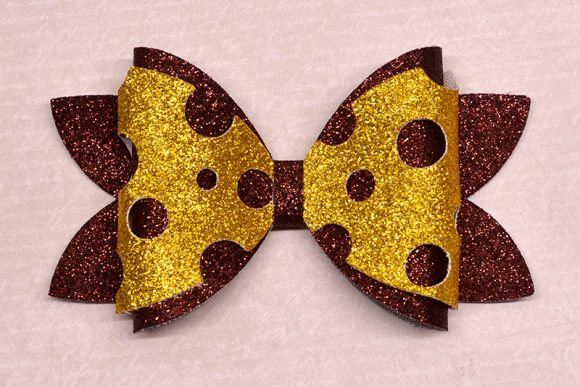
At first glance, the visual personality of this design is undeniably playful. It taps into that trendy "foodie" aesthetic that has taken over boutique markets recently. The concept of a bow shaped like a wedge of cheese—complete with the classic holes—is whimsical without being childish. For those of us running a craft business or selling as an Etsy seller, finding that sweet spot between quirky and professional is key. This design lands squarely in the zone where it can appeal to food lovers, nursing mothers (the "cheesy" pun potential is high), and anyone looking for a unique accent on their gear.
Putting the Design to the Test: A Real-World Scenario
To truly evaluate the Cheese Bow Template, I imagined a specific client request. Let's say a customer wants a set of personalized kitchen towels and a matching apron for a housewarming gift. They want something that says "fun" but still looks like a high-quality handmade product. This is where the design shines. Because the shape is distinct and recognizable, it works beautifully as a focal point on a tea towel or centered on an apron bib.
However, the product description notes that these bows can be made using a cutting machine or scissors from materials like faux leather, glitter vinyl, felt, or paper. This suggests the digital file is likely a 3D SVG intended for mixed media. As an embroiderer, this opens up fascinating possibilities for an applique design. Instead of just stitching the outline and filling it with thread, you could cut the cheese shape from yellow felt or even a textured laminated fabric, place it on the garment, and use the embroidery file to tack it down with a neat satin stitch border. This adds dimension and texture that flat stitching simply cannot achieve.
If I were creating a tote bag design for a local farmer's market vendor, I would lean heavily into this applique approach. Using a sturdy canvas bag, I'd cut the cheese shape from a heavy-duty felt, hoop the bag with a robust stabilizer, and let the machine do the work of securing the edges. The result is a durable, tactile finished product that feels premium. Customers are willing to pay more for items that have this kind of layered construction because it signals effort and quality.
Technical Considerations for Stitching Success
While the concept is strong, practical execution requires attention to detail. When working with any design that mimics a specific object, like cheese, the internal details matter. The "holes" in the cheese wedge need to be handled carefully. If you are stitching this directly onto fabric using a fill stitch, ensure the holes are large enough to be punched out by the needle without causing thread breaks or bird nests. If the holes are too small, they might fill in completely, ruining the illusion.
Fabric choice is another critical factor. This design would look fantastic on a denim jacket or a cotton sweatshirt embroidery project. However, caution is needed with stretchy fabrics or thin materials. The density of the stitches required to create the solid yellow color of the cheese could cause puckering if the stitch density is too high for the material. Always test the design on scrap fabric first. I recommend running a test on the exact same material you plan to sell to your clients. Check how the thread colors contrast against the background; a bright cheddar yellow pops on navy or black, but might get lost on a beige linen.
For those considering this for baby embroidery, such as on a onesie or bib, softness is paramount. A dense satin stitch border can sometimes feel scratchy against sensitive skin. In this case, using a softer running stitch for the interior details or opting for a fabric applique method where the raw edges are tucked under might be more comfortable. Additionally, verify the hoop size requirements. While bows are generally compact, ensure your machine's smallest hoop can accommodate the design if you are planning to place it on narrow straps or cuffs.
Commercial Viability and Brand Consistency
For commercial embroidery professionals and small shop product creators, consistency is everything. The Cheese Bow Template offers a consistent shape that helps maintain brand recognition. If you decide to make this a signature motif for a line of kitchen goods or novelty apparel, the clean lines of the Shapes category ensure it reproduces well across different sizes.
Visual appeal drives sales. A well-executed cheese bow on a custom apparel item or an embroidered patch can become a conversation starter. It adds a layer of personality that generic designs lack. However, remember that presentation impacts perceived value. When creating printable mockups or digital previews for your online store, show the design on various backgrounds. Show it on a dark hoodie, a light tote, and perhaps even as a standalone patch. This helps buyers visualize the personalized gift potential.
It is also vital to address the licensing aspect before selling. Since this file can be used for cutting machines as well, clarify whether your license allows for selling physical goods made with this design. Most designers allow finished products, but restrictions on reselling the digital file itself are common. Always confirm licensing terms to protect your craft business from legal issues.
Final Thoughts on Utility and Charm
In the world of digital embroidery file reviews, I look for versatility. Can this design survive a wash cycle? Will it look good on a cap? Does it work for holiday embroidery themes, perhaps as part of a "snack attack" collection? The Cheese Bow Template holds up well under this scrutiny. Its simplicity is its strength. It doesn't rely on tiny, fragile lettering or overly complex shading that might degrade over time.
That said, be mindful of curved surfaces. If you are applying this to a baseball cap, the curvature can distort the perception of the bow's symmetry. Centering becomes crucial. Also, if you are using glitter vinyl or faux leather as suggested in the description, ensure your needle is appropriate for piercing those materials without leaving visible damage around the stitch line.
Ultimately, this design is a fun, functional asset for any maker's library. It bridges the gap between novelty and style. Whether you are creating a wedding gift for a couple who loves fondue or stocking your booth at a craft fair with quirky accessories, the Cheese Bow Template delivers. Just remember to respect the technical limits of your machine and materials. Do your due diligence with test stitches, choose your stabilizer wisely, and let the charm of the design speak for itself. With the right execution, this little wedge of cheese can add a big slice of personality to your portfolio.