Cheers Straw Slide: A Designer's Review for Embroidery Projects
As a designer who spends more time staring at stitch maps than most people care to admit, I approach every new machine embroidery design with a mix of optimism and skepticism. We have all been there: you download a file that looks crisp on the screen, only to find it turns into a bird's nest of thread once it hits the fabric. That is why I took a close look at the Cheers Straw Slide. This isn't just another graphic; it is a functional asset for anyone looking to add a touch of celebration to their handmade product lineup. While this specific item is marketed as an SVG cutting template compatible with 8x12 and 12x12 mats, my focus here is on how this shape translates when adapted or used alongside actual stitching for real-world applications.
First Impressions and Visual Personality
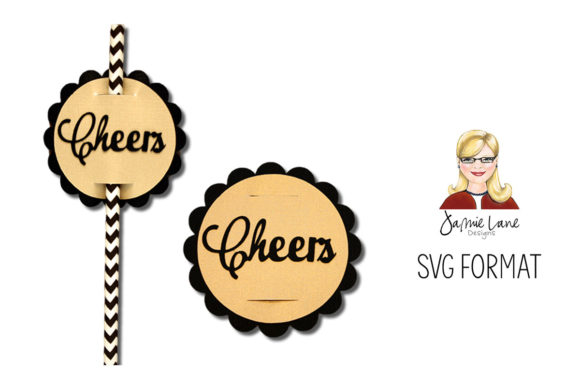
The moment I pulled up the Cheers Straw Slide, the mood was immediately clear: fun, casual, and ready for a party. The silhouette captures that specific joy of a celebratory drink without being overly complex. In the world of Shapes, simplicity is often king, especially when you are working with materials that have texture. The design feels like a natural fit for summer collections, bachelorette parties, or birthday merchandise. It has a visual personality that says "relax and enjoy," which is exactly what customers want when they are buying a personalized gift or a custom piece of custom apparel.
What stands out most is the versatility of the layout. Because it is a 3D SVG format intended for cutting, it offers a unique opportunity for mixed-media embroidery projects. Imagine layering this cut shape over a satin stitch background or using it as a base for an applique design. The clean lines suggest that it would hold up well even when scaled down for smaller items, provided your cutting machine is calibrated correctly. For an Etsy seller or small shop owner, this kind of distinct but recognizable imagery is gold. It communicates a theme instantly without needing explanatory text.
Real-World Application Scenarios
Let's get practical. Where does the Cheers Straw Slide actually shine in a production environment? I recently envisioned a project for a local boutique that needed a line of tote bags for a summer market. Using this design as a focal point on a canvas tote bag design makes immediate sense. You could cut the shape from a vibrant vinyl or felt and stitch it down with a decorative running stitch border. This adds dimension and tactile interest that flat printing simply cannot achieve.
Another strong contender for this design is sweatshirt embroidery. Picture a cozy crewneck in heather grey with the Cheers Straw Slide appliquéd on the chest in a contrasting bright color. It transforms a basic garment into a statement piece suitable for a girls' night out or a holiday gathering. For those running a craft business, the ability to size this file to fit your needs is crucial. Whether you are making a large patch for a backpack or a subtle accent on a baby embroidery project (perhaps for a "sip and see" event), the scalability ensures you aren't locked into one specific product type.
I also see potential in home decor. A kitchen towel featuring this shape, perhaps paired with some witty text stitched above it, would make an excellent holiday embroidery gift. The key here is context. The design works because it fits the narrative of the product. It doesn't feel forced; it feels like a natural extension of the item's purpose.
Technical Considerations and Fabric Challenges
However, no design review is complete without discussing the pitfalls. While the Cheers Straw Slide is a cutting file, integrating it into an embroidery project requires careful planning. If you are combining this SVG with machine stitching, you must consider your hoop size limitations. Even though the file is compatible with larger mats, your embroidery machine might not be. Always test the scaled size within your actual hoop before committing to a final piece.
Fabric texture plays a massive role in how the finished product looks. On smooth cotton or polyester blends, the edges of a cut 3D SVG element will look sharp and professional. But if you attempt this on a highly textured linen or a stretchy knit without proper stabilization, you risk puckering or uneven edges. Speaking of stabilization, never skip the stabilizer. When adding a layered element like this to a garment, the weight distribution changes. A cut-and-sew approach requires a firm backing to prevent the fabric from sagging under the weight of the added layer and the surrounding stitches.
There are also concerns regarding stitch density if you choose to outline or fill areas around the cut shape. Too many fill stitch or satin stitch elements near the edge of a cut vinyl or fabric piece can cause bulkiness. This is particularly important for items like caps or curved surfaces where the hoop space is limited and the fabric is already structured. For commercial embroidery projects that will undergo frequent washing, ensure that the adhesion of the cut material is secure. You do not want a customer returning a shirt because the "straw" peeled off after the second wash.
Enhancing Brand Value and Customer Trust
From a business perspective, the quality of your design assets directly impacts your brand consistency. Using a well-proportioned shape like the Cheers Straw Slide signals professionalism. It shows that you pay attention to detail and understand current trends. When a customer sees a cohesive look across your small shop product range, it builds trust. They know that whether they are buying a pillow cover or a tee, the quality will be consistent.
Furthermore, the visual appeal of this design aids in creating better printable mockup images for your online store. Clean shapes photograph beautifully, allowing potential buyers to visualize the embroidered patch or appliqué on their own items. This clarity drives buyer engagement. In a crowded marketplace, having a design that is instantly recognizable yet versatile enough to be customized gives you a competitive edge.
Practical Notes for the Studio
Before you commit to a full production run with the Cheers Straw Slide, here are a few actionable steps I recommend:
- Test on scrap fabric first: Always run a trial on the exact material you plan to use for the final product to check for tension issues.
- Check thread color contrast: Ensure the colors you choose for stitching around the cut shape pop against the base fabric.
- Review stitch density: If adding embroidery details, keep the density moderate to avoid stiffness.
- Inspect small details: Look closely at the corners of the cut shape to ensure they are crisp and not fraying.
- Verify licensing: Since this is a digital cutting file, confirm the terms regarding commercial embroidery and selling finished items before listing them in your shop.
- Compare backgrounds: Test how the design looks on both light and dark fabrics to ensure versatility.
In conclusion, the Cheers Straw Slide is a solid addition to a designer's library. It bridges the gap between digital cutting and traditional stitching, offering a pathway to create unique, high-value items. Whether you are an experienced decorator or a hobbyist looking to upgrade your holiday gifts, this design offers the flexibility and charm needed to create something special. Just remember to respect the materials, plan your layers carefully, and let the design do what it does best: bring a little cheer to everything it touches.