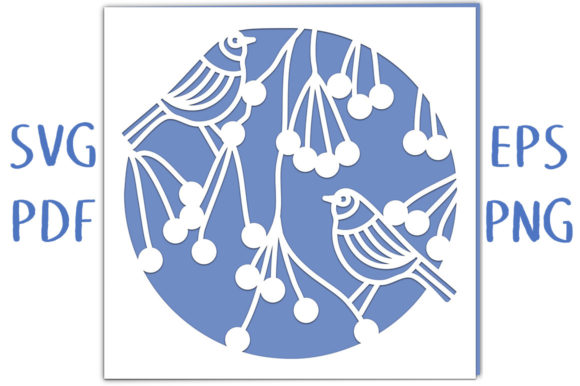
Phoenix Multilayer: 3D SVG Shapes for Sellers
As someone who has spent years building a digital storefront on Etsy and expanding into print-on-demand, I approach every new graphic design asset with a critical eye. It is not just about whether a file looks pretty; it is about whether it can be transformed into a commercial design that sells. Recently, I evaluated Phoenix Multilayer, a collection described as vector resources for business product needs. My goal was to determine if this asset could serve as the foundation for a new line of digital downloads and physical merchandise.
My first impression of Phoenix Multilayer was its distinct structural depth. Unlike flat icons that often get lost in crowded marketplaces, these files offer a layered complexity that suggests dimensionality even before rendering. The mood is bold yet versatile, striking a balance between modern geometric precision and organic flow. This visual personality makes it suitable for a wide range of niches, from tech-focused branding to elegant event stationery. For a small business owner or creative entrepreneur, the immediate takeaway is that these Shapes have enough visual weight to stand alone as a focal point or support text without overpowering it.
Real-World Application for Online Shops
To truly test the viability of Phoenix Multilayer, I imagined launching a seasonal collection for a hypothetical shop specializing in planner accessories and home decor. The potential applications are vast. For Cricut users and crafters, the layered nature of the files allows for intricate sticker design projects where different colors of vinyl can be stacked to create a 3D SVG effect. This adds perceived value to a simple sticker sheet, allowing sellers to charge a premium for the complexity of the cut.
In the realm of print-on-demand, these vectors shine when applied to apparel and home goods. I visualized using the assets for a t-shirt design aimed at the gaming or fitness community, where bold, layered graphics are trending. Similarly, the files work exceptionally well for mug design and tumbler wraps. Because the asset includes EPS, PDF, and SVG formats, the scalability is non-negotiable for large format printing like tote bags or wall art. A sublimation design created from these vectors would retain crisp edges even when enlarged for a throw pillow or canvas print.
For those selling Canva templates, Phoenix Multilayer offers a unique opportunity. Users can import the SVGs directly into Canva to create sophisticated social media kits or branding packages. The ability to ungroup layers gives template buyers the flexibility to recolor elements, making the final digital product highly customizable. This adaptability is crucial for brand identity projects where a client needs a logo mark that works in monochrome and full color.
Enhancing Product Presentation and Trust
In the competitive landscape of the creative marketplace, presentation is everything. Phoenix Multilayer excels in creating high-converting listing images. When used in a product mockup, the layered shadows and depth create a sense of realism that flat clipart cannot achieve. This visual hierarchy draws the customer's eye immediately, increasing click-through potential.
I found that using these shapes to frame product thumbnails helped establish brand consistency across a shop. If you are selling a design bundle, using a recurring motif from Phoenix Multilayer as a background element or border ties the collection together. This professional cohesion builds customer trust, signaling that the seller pays attention to detail. Furthermore, the "premium" feel of the 3D-style layers elevates the perceived value of the entire listing, justifying higher price points for printable design packs or invitation templates.
Strategic Placement and Limitations
While Phoenix Multilayer is powerful, it is not a one-size-fits-all solution. It works best in contexts where the design has room to breathe. Large product previews, decorative layouts for nursery prints, and standalone merchandise graphics allow the intricate layering to be appreciated. However, caution is required when applying these assets to tiny details. For instance, using the full complexity of these shapes on a small planner sticker might result in cutting issues if the layers are too close together for a standard blade to weed.
Sellers should also be wary of using these busy, multi-layered shapes on dark backgrounds without adjusting the blend modes or adding a backing layer, as contrast can be lost. In text-heavy templates, such as complex wedding invitations, the illustration might compete with the typography if not scaled down appropriately. For Cricut project files intended for beginners, the sheer number of layers might be overwhelming unless the seller provides a simplified, flattened version alongside the detailed one.
Practical Notes for the Digital Seller
Before publishing any listing featuring Phoenix Multilayer, rigorous testing is essential. I recommend downloading the EPS, PDF, and SVG files and opening them in your primary design software to verify that all layers are intact and editable. Test the design on both white and dark product mockups to ensure visibility. If you are creating physical goods, run a test print to check color accuracy, especially if the design relies on subtle gradients or overlapping transparencies.
Organization is key for customer satisfaction. When packaging this as a digital download, ensure the files are clearly labeled. Pair these geometric shapes with a variety of typography styles; a clean sans serif font complements the modern lines, while a flowing script font can soften the look for feminine niches. Always double-check the commercial licensing terms. While the creator notes these are for business product needs, confirming you have the right to sell finished goods versus the raw files is vital for avoiding legal issues on platforms like Etsy or Shopify.
Ultimately, Phoenix Multilayer represents a solid investment for handmade business owners looking to upgrade their design assets. Its versatility across social media graphics, packaging design, and tangible merchandise makes it a robust tool for scaling a creative enterprise. By understanding its strengths in depth and its limitations in scale, sellers can leverage this asset to create a cohesive, high-quality product line that resonates with today's discerning buyers.