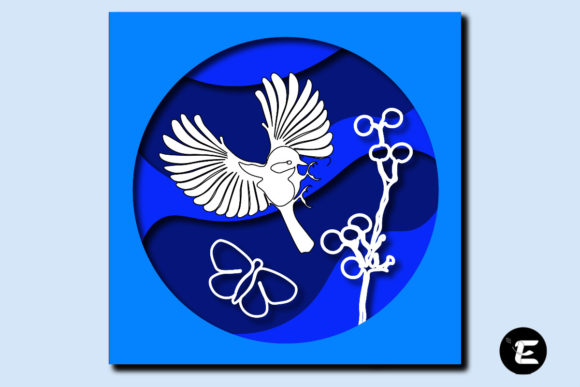
Layered Bird: 3D SVG for Shadow Boxes & Web
As a digital publisher who has spent years curating the visual identity of high-traffic blogs, I approach every new graphic design asset with a critical eye. It is not enough for an image to be pretty; it must perform. When I first opened the files for Layered Bird, my immediate reaction was one of relief. In a sea of flat, generic clipart, this collection offers genuine depth and editorial sophistication. The mood it creates is distinctly artistic yet accessible, striking a balance that feels both modern and timeless. For content creators in the lifestyle, nature, or educational niches, this asset immediately signals quality, helping to establish reader trust before they even click through to the article.
Elevating Editorial Design with Depth
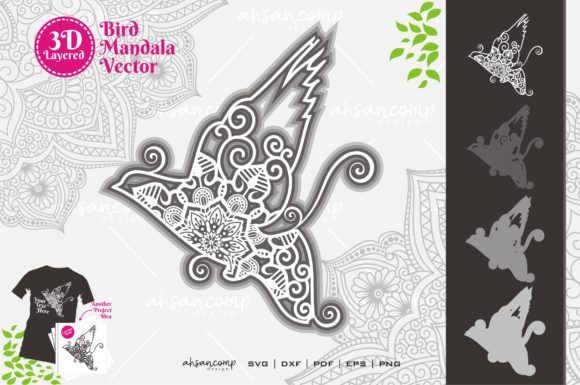
The core strength of Layered Bird lies in its versatility as a 3D SVG file format. While the product description notes its origins in creating unique cards and wallpapers for physical crafts, my focus is on how these layers translate to the digital screen. The ability to manipulate individual elements allows for a level of customization that standard PNGs simply cannot match. When integrated into editorial design, these layered components add a subtle texture that breaks up the monotony of white space without overwhelming the text.
I envision using these illustrations to create a cohesive brand identity across a content website. Imagine a series of blog posts about mindfulness or birdwatching where the header images utilize different color variations of the same bird motif. This consistency builds visual hierarchy, guiding the reader's eye naturally through the page. The aesthetic is clean and decorative, leaning towards a feminine and organic style that works exceptionally well for wellness coaches, online educators, and creative entrepreneurs looking to soften their corporate edge.
Real-World Publishing Workflows
In my own workflow, assets like Layered Bird become the backbone of a multi-platform content strategy. Here is how I would deploy this digital download across various channels to maximize engagement:
- Pinterest Graphics: The vertical composition of many bird illustrations makes them perfect for Pinterest pin designs. The layered nature allows me to place text behind certain feathers or branches, creating a professional, magazine-style look that stands out in a crowded feed.
- Newsletter Headers: For email marketing, a simplified version of the bird can serve as a recurring header, reinforcing brand recognition every time a subscriber opens an update.
- Digital Guides and eBooks: When compiling a digital guide or a lead magnet, these vectors can be scaled infinitely without losing quality, serving as chapter dividers or cover art that looks crisp on any device.
- Social Media Graphics: Beyond Pinterest, these assets work beautifully for Instagram stories or Facebook ads, particularly for affiliate marketing campaigns promoting nature-related products or craft supplies.
- Website Headers: A composite of the layered elements can create a stunning, custom website header that feels bespoke rather than template-based.
Performance and Reader Perception
Why does this matter for performance? Because content marketing is increasingly visual. A strong first impression is crucial for reducing bounce rates. When a landing page features high-quality, cohesive imagery like Layered Bird, it subconsciously tells the visitor that the content behind the click is equally well-researched and valuable. This improves reader trust and can significantly boost click-through potential.
Furthermore, consistent use of such design assets aids in category recognition. If a reader sees this specific style of bird illustration, they should immediately know they are on your site or reading your specific type of content. This strengthens your small business branding in a way that stock photography rarely can. It transforms a generic blog into a curated publication.
Strategic Placement and Caution
While Layered Bird is a powerful tool, it must be used strategically. It shines brightest in hero images, article thumbnails, and as accent pieces in downloadable resources. However, caution is required when deploying it in small mobile thumbnails where intricate layer details might blur into noise. It is also less suitable for text-heavy blog images where the illustration might compete with the headline for attention.
Additionally, while the style is versatile, it may not fit every niche. For serious professional sectors like legal advice, heavy industry, or strictly minimal corporate sites, the decorative nature of these Shadow Boxes inspired layers might feel too whimsical. It is best reserved for niches that value creativity, nature, and personal expression.
Practical Notes for Publishers
Before integrating Layered Bird into a live production environment, I recommend a rigorous testing phase. First, preview the asset on both desktop and mobile screens to ensure the layers render correctly at different scales. Check how the illustration looks when compressed for web performance; while SVGs are generally lightweight, complex layers can sometimes increase load times if not optimized.
Typography pairing is another critical factor. Test the bird graphics beside serif fonts for a classic editorial look, sans serif for modernity, and script or handwritten fonts for a personal touch. Ensure there is sufficient contrast between the illustration and the background, especially if you plan to overlay text. Try rendering the image in black and white to see if the silhouette holds up on grayscale devices or printed materials.
Finally, and most importantly, review the licensing terms. As the original description suggests, these files are intended for creating unique items, but as a digital publisher, you must confirm the commercial license specifics. Ensure you are cleared to use the asset on monetized websites, in affiliate content visuals, or within paid digital products like Canva templates sold to others. Understanding the bounds of the commercial design rights protects your business from legal issues down the line.
In conclusion, Layered Bird is more than just a cute illustration; it is a functional component of a modern web design toolkit. By leveraging its layered structure and artistic appeal, publishers can create richer, more engaging visual experiences that resonate with audiences and elevate the perceived value of their content.